
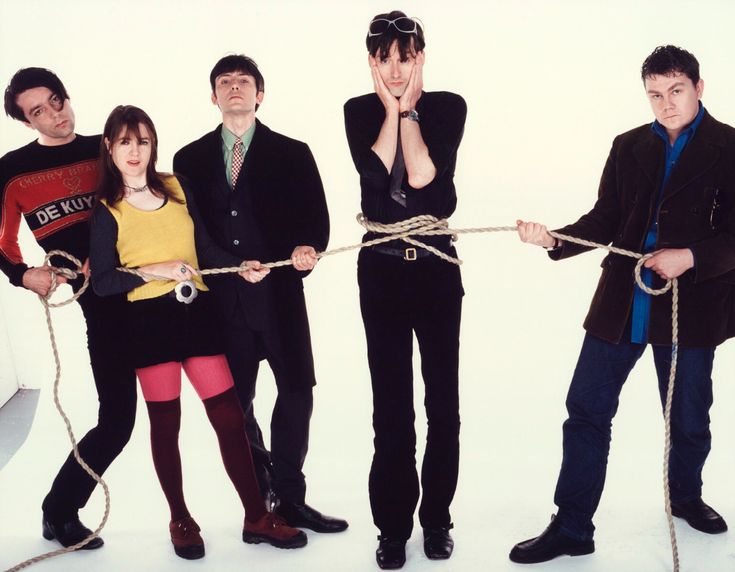
I thought that with the most recent midweek posts having come from New Zealand, Germany and the USA, I better get my arse in motion and offer up something of my own. Been sitting on this one for a wee while, just waiting on an appropriate Monday morning to post it.
Sometimes an album is such a bona fide classic that the temptation is there for the artiste and record label to issue almost all the songs as singles. Michael Jackson and Epic Records never had any qualms – Off The Wall (1979) contains ten songs, of which seven were made available in the USA either as A or B sides of single releases, while its remaining three songs happened to be issues in the UK as A or B sides of singles; follow-up album Thriller (1982) had nine songs, with seven of them being issued as singles, all of them going Top 10 in the USA.
Fast-forward to 1995-96 and the era of Different Class, the fifth studio album from Pulp.
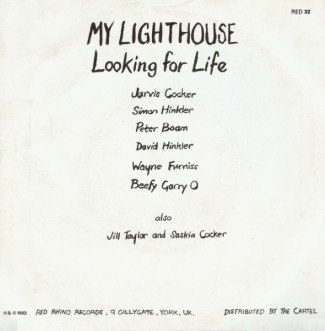
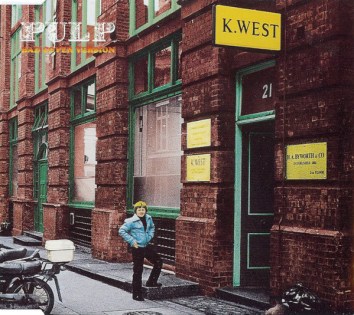
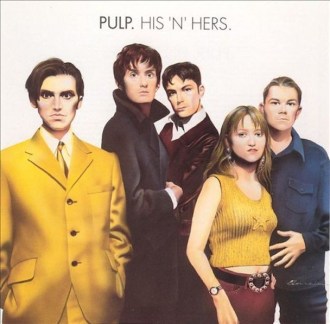
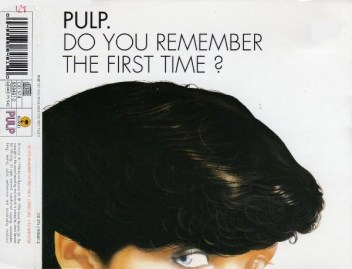
The band had taken a long time to get any sort of commercial success – the debut single dated from 1983 and it had been fully ten years before they had anything break into the Top 50 of a singles or albums chart. Things changed a bit with Lipgloss (#50), Do You Remember The First Time (#33) and the Babies EP (#19) along with His’n’Hers, an album which entered the charts at #9 in the first week after its release in April 1994,but in what would prove to be a 55-week stay in the charts would enjoy just one more week inside the Top 30.
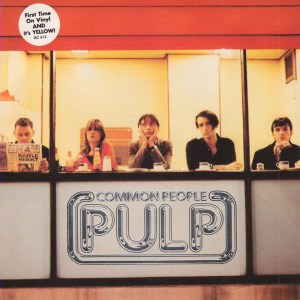
Common People, released on 22 May 1995 was one of the things that took the band into a new stratosphere. It came in at #2, denied the top spot by Robson & Jerome‘s cover of Unchained Melody – another in a long line of examples of TV actors enjoying huge success when turning to music.
The other was on the evening of Saturday 24 June 1995 when Pulp headlined Glastonbury, having only been booked late on to replace Stone Roses who had to pull out when guitarist John Squire broke his collarbone in a cycling accident. Those at the festival, and the millions watching on BBC TV, saw a performance for the ages and after years of struggle, Jarvis Cocker et al. were an overnight success.
A double-A side follow-up, Sorted For E’s and Whizz/Mis-Shapes, released on 25 September 1995, also came in at #2, kept off the top by one of Simply Red‘s abominations. The album Different Class was in the shops in late October and the new chart in the first week of November 1995 saw it at #1, and it would spend the next 28 weeks in the Top 20.
Another of the album’s most popular songs, Disco 2000, was issued as a single in late November 1995 and reached #7. Four months later, in late March 1996, Something Changed became the fifth song from Different Class to be released as a single – and it was backed by a remix of F.E.E.L.I.N.G.C.A.L.L.E.D.L.O.V.E., yet another song to be found on an album that was now ten months old – and still it went to #10.
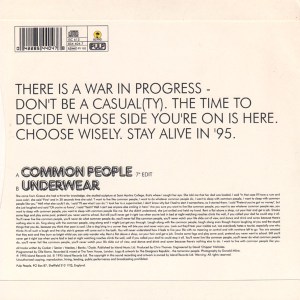
In an era of multi-formatting, with singles coming out on vinyl, cassette and at least 2 x CDs, of the twelve songs to be found on Different Class, seven could be found in some shape or form on a single (Underwear had been the b-side to Common People). But such was the popularity of Pulp in that era, that any of those five remaining songs would likely also have gone Top 10 if issued as a single, as none of them could be classed as ‘filler’. Especially the one that was packed with catchy moments and finished off with a dramatic crescendo:-
mp3: Pulp – Monday Morning
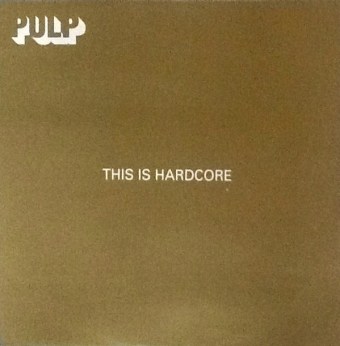
But with Jarvis increasingly unhappy with all the attention that was coming with this new-found fame, it’s not really a surprise that the tap was switched off after Something Changed, nor that there would be a dramatic switch of musical direction when the next single came out in November 1997.










 THE NEW VINYL VILLAIN